

Lithuania is one of the three Baltic states, combining historic cities, lakes, pine forests and the Baltic coast in a compact journey. First-time itineraries often begin with Vilnius and Trakai, while a longer route continues through Kaunas to Klaipėda and the Curonian Spit. This guide brings together the main places, cultural themes and planning ideas for exploring the country.
Vilnius — historic centre and starting point
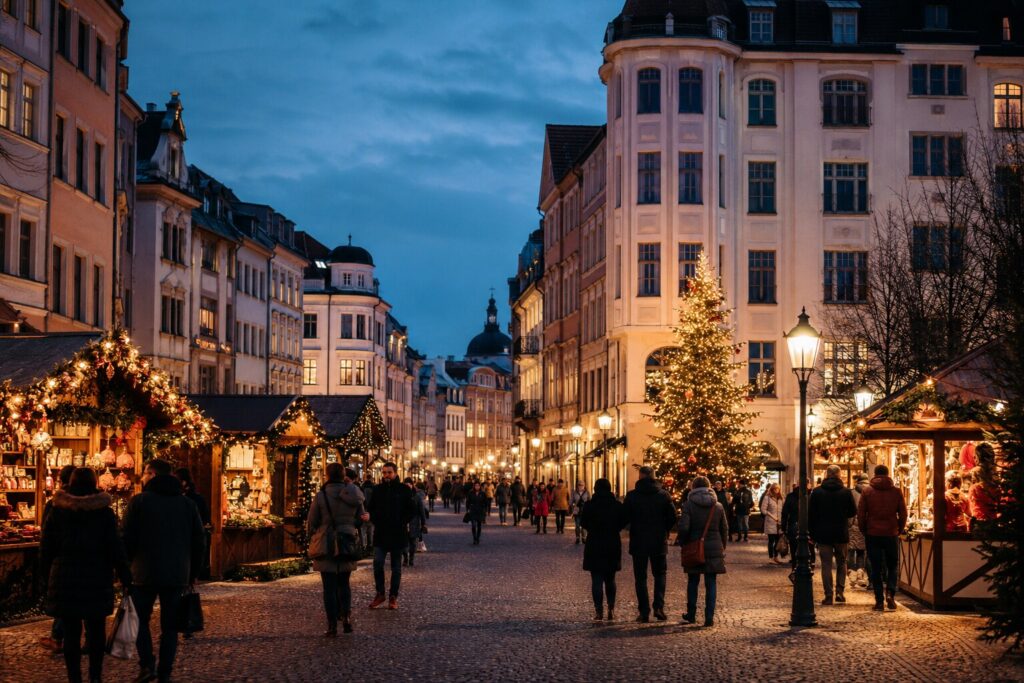
Vilnius is a natural base for a Lithuania itinerary. Its Old Town is known for churches, courtyards, narrow streets and public squares. A visit can include Cathedral Square, Gediminas Tower, museums and neighbourhoods beyond the busiest visitor routes. The city works for a short break as well as a base for day trips.
Trakai — an island castle and lake landscape
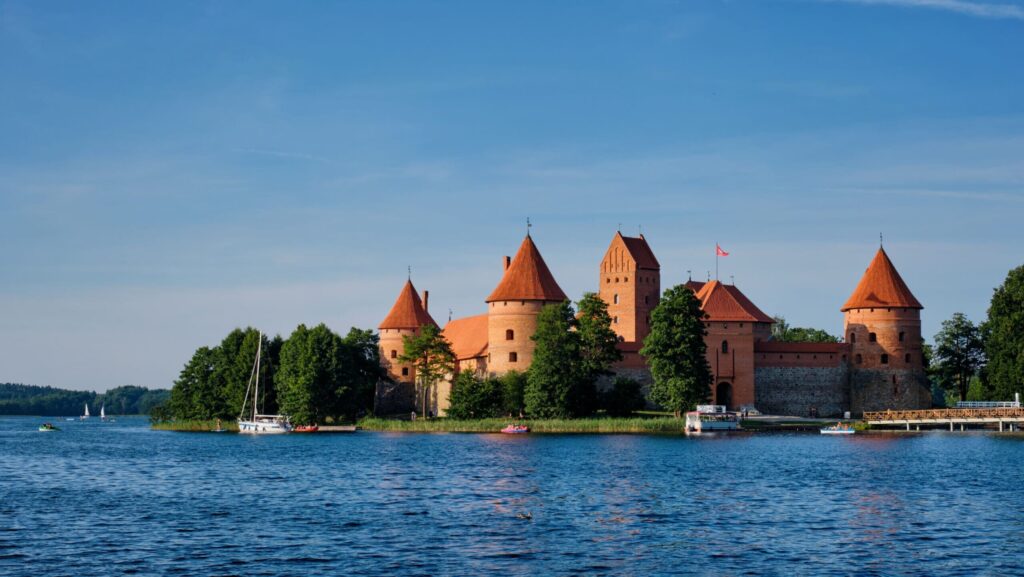
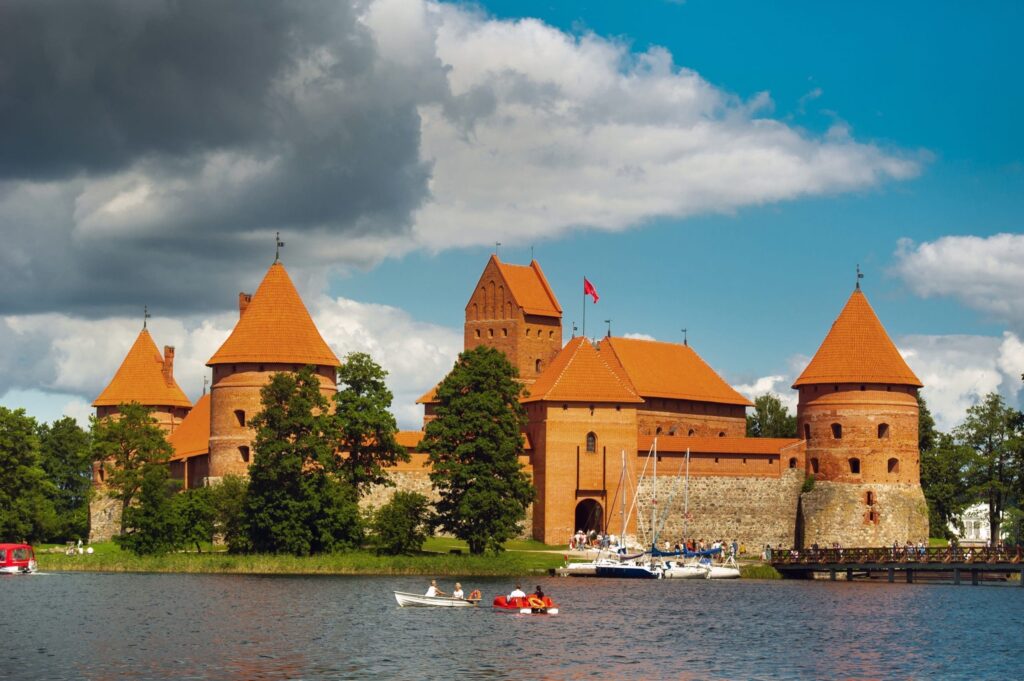
Trakai lies close to Vilnius and is best known for its island castle on Lake Galvė. The visit can combine the museum and castle surroundings with a walk through the lake district. It fits into a day from Vilnius or a longer private route. Museum hours and seasonal services should be checked for the intended travel dates.
Kaunas — architecture, museums and urban culture
Kaunas is a practical stop between Vilnius and the coast. Its Old Town, castle, museums and modernist architecture offer a different perspective on Lithuania. It can be included as a day stop or used as a separate base when the journey extends beyond the capital.
Klaipėda and the Curonian Spit
Klaipėda is Lithuania’s seaport and the gateway to the Curonian Spit. The peninsula is known for dunes, pine forests, beaches and settlements beside the Curonian Lagoon. This part of the country differs from the urban route through Vilnius and Kaunas, so it is best given a separate day or a longer coastal stay.
Season, weather, transport and the current rules for protected areas should be considered when planning the coast. Specific transfers and opening hours need confirmation close to travel.
More places to explore
Druskininkai
Druskininkai is a resort town associated with parks and spa travel. It can provide a quieter stage of a longer route away from the principal cities.
Aukštaitija National Park
Lakes, forests and small settlements make Aukštaitija suitable for nature-focused travel. The length and transport format depend on the season and selected locations.
Europos Parkas
Europos Parkas near Vilnius is an open-air museum of contemporary art and can complement a city programme for travellers interested in sculpture and walking outdoors.
Lithuanian food and cultural traditions
Food is an important part of a journey through Lithuania. Well-known dishes include cepelinai, the cold beet soup šaltibarščiai and kibinai associated with Trakai’s Karaim tradition. Menus and preparation vary between regions and restaurants, making local choices more useful than a fixed checklist.
Seasonal festivals, city events and family traditions can enrich a visit, but dates and programmes change. Travellers should confirm event information with current official sources before booking.
When to visit and how to combine Lithuania
City travel is possible throughout the year. Late spring through early autumn usually makes it easier to combine cities, the coast and nature, while colder months favour museums, architecture and cultural programmes. The appropriate duration depends on whether the plan covers Vilnius and Trakai only or continues to Kaunas, Klaipėda and the Curonian Spit.
Lithuania combines naturally with Latvia and Estonia. Travellers continuing north can also review Finland.
Private journeys and travel planning
IBG Travel creates private and group programmes in Lithuania and across the Baltic region. A proposal can include transport, transfers, accommodation, guides, visits and route coordination. Availability and final conditions are confirmed after receiving the travel dates, arrival point, group size and preferred pace.